Why do athletes love lifting with NewGrip Gloves?
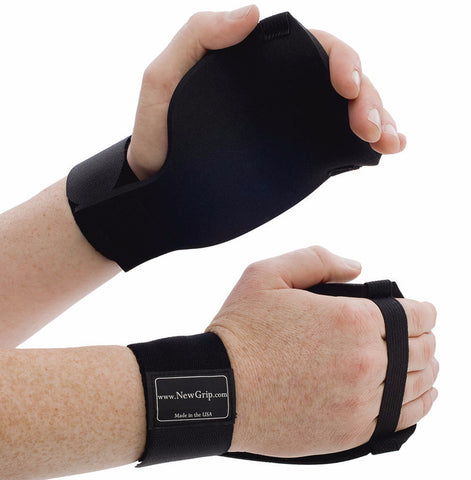
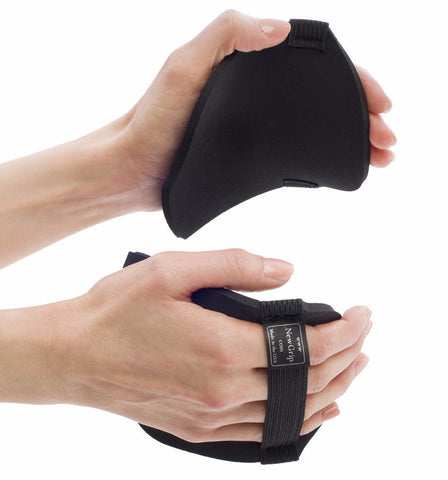
- Neoprene hand pads that distribute weight, cushion hands, and prevent chaffing, blisters and rips. Our pads last longer than leather gloves!
- An opened backed breathable design with keeps hands cool and sweat free during intense workouts, heavy lifts, and BodyBuilding reps.
- An adjustable custom fit, for any hand and finger shape, pads can be adjusted for any type of lift, push or pull.
- Stabilizing wrist support which prevents injury, increases blood flow, decreases swelling and allows full range of motion.
We've talked to thousands of Weight Lifters over the years that we've been in business. From the input we've gotten, NewGrip Weight Lifting Gloves are great for any kind of weight lifting, but especially effective for the following exercises.
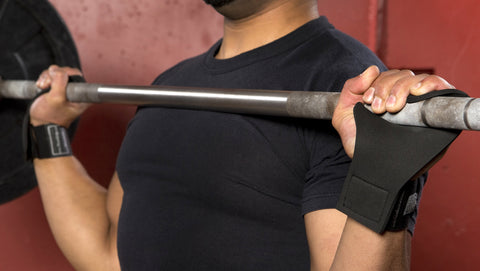
- Bench Press, the cushioned gloves decrease hand pain and support wrists
- Body Pump, the neoprene shields hands from repeated impact
- Bar Dips hands supporting body weight and extra weight are relieved, and hand pain decreases
- Circuit Training, NewGrips are so versatile and quick to take on and off that they are the perfect glove for training on a circuit
Weight Training and BodyBuilding is a full contact sport. The only way to get big is to lift heavy, and lifting heavy over time can do real damage to your hands and wrists. Issues like blisters and rips are common and during healing you may miss a week of lifting while your hands heal. Real issues start when athletes develop arthritis and tendonitis from years of lifting heavy. There are more bones in your hand and wrist than any other part of your body and therefore more opportunity for injury and chronic pain.
At NewGrip we've developed the ideal workout glove for the serious lifter.
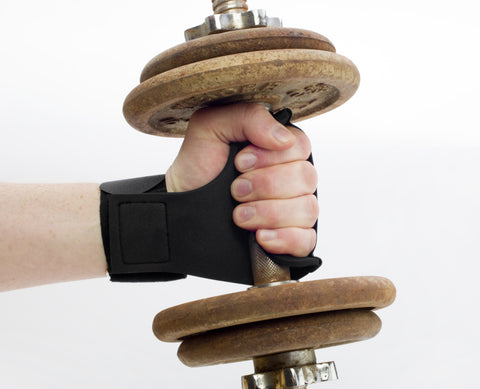
NewGrip Weight Lifting Gloves change the lifting surface of your hand distributing weight, so you can lift more with less hand pain.
The simple neoprene design prevents blisters, rips and protects calluses, while improving grip and eliminating sweat.
NewGrip hand pads attach to wrist support which, provide support while providing athletes full range of motion. The wrist support also use compression to increase blood flow to hands and wrists, decreasing swelling, while fully supporting the wrist preventing weight lifting injury.
If you're sick of missing days at the gym waiting for your hands to heal, or if you've had to give up weight training of body building all together, then NewGrip is the perfect solution.
We've heard from hundreds of customers around the world who had to stop lifting because of injury or arthritis, who's conditioned so greatly improved after using NewGrip Gloves they were able to return to the gym and lift full time.
Don't take our word for it, check out the testimonials below:
In 2004 I won the Met-Rx Body Challenge. During years of lifting, I must have gone through a pair of leather weight lifting gloves every 3 months. The stitching came undone, leather would tear, they'd get stretched out, not fit, and start to smell.
Now I use NewGrip Gloves for Bodybuilding and I'll NEVER use anything else. They protect my hands, keep them cool, support my wrists, give me a much better grip and they are nearly indestructible. David Adler, Professional BodyBuilder
Let me be very direct, if you are not using BodyBuilding Glove by NewGrip, you are not lifting to your potential. NewGrip gloves for BodyBuilding are the best thing you can add to your routine! Al Vaughn, Grand Masters Champion, Mr America & Mr. Universe 2015
NewGrip gloves for bodybuilding are amazingly effective at relieving pressure on the hands. They also provide wrist support. The giant added benefit is they allow you to lift more weight or complete more reps. Most people just don't realize they stop lifting because of discomfort instead of true muscle exhaustion. NewGrips alleviate grip fatigue, if you use them you'll lift more weight. Period. Pete Sisco, co-author of Power Factor Training and Static Contraction Training